St Ives has spent the past decade being written about almost as much as it has been photographed. However, the most revealing coverage has not focused on sunsets or surfboards, but on plates, pints, and the small decisions that shape a meal by the harbour. In the Local Food Press, the town appears as a compact stage where Cornwall’s ingredients meet modern expectations: quick lunches that still respect the catch, cafés that treat coffee as seriously as tide times, and restaurants that translate sea air into menus without turning local life into a theme park.
Moreover, the headlines tend to follow a familiar arc. First comes the easy list: ‘best places’, ‘definitive roundups’, and ‘must-eats’ for holidaymakers. Then, as readers return, the coverage narrows and deepens into Food Stories about supply chains, seasonal pressures, and the craft behind a good pasty or a careful seafood platter. Consequently, St Ives becomes a case study in how a small town handles big appetite. It sells delight, yet it also negotiates crowding, staffing, and the ethics of local sourcing. Watch the press closely, and a decade of Dining writing turns into a broader account of Cornwall’s Food Culture in motion.
- St Ives remains a magnet for dining journalism because the harbour, beaches, and galleries sit minutes apart.
- Local Food Press coverage has shifted from listicles to more contextual Gastronomy, including provenance and seasonality.
- Seafood still anchors Local Cuisine, yet cafés, delis, and bakeries now shape day-to-day eating as much as Restaurants do.
- Drink reporting has expanded, with local brewing and small-batch cider featured alongside pub culture.
- Transport and footfall matter, therefore writers often link eating advice to trains, parking, and walkable routes.
- Heritage sites and modern art institutions influence Culinary History narratives and menu storytelling.
St Ives and the Local Food Press: how a harbour town became a dining headline
From ‘best restaurants’ lists to place-based reporting
Over the last ten years, the Local Food Press has repeatedly returned to St Ives because it offers clear, saleable contrasts. On one hand, it looks like a holiday postcard. On the other hand, it functions as a working town with a harbour, schools, and year-round routines.
As a result, early coverage often leaned on rankings: best Restaurants in St Ives, top pubs, or quick guides for families. Those pieces served a purpose, because visitors needed shortcuts in a busy place. However, the tone has gradually matured, with more writers asking why certain rooms endure while others flicker out after a season.
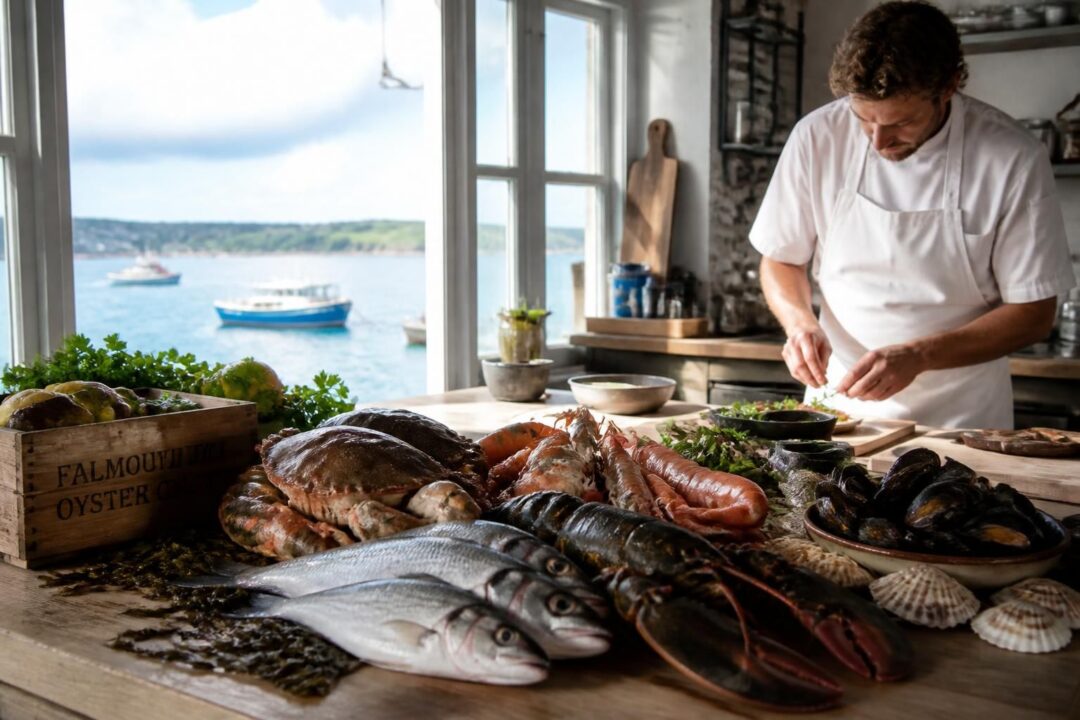
To see that shift, consider how articles now treat a simple crab sandwich. Earlier writing would highlight views and portion size. Now, the stronger pieces ask where the crab gets picked, how supply changes with weather, and why some operators keep menus flexible.
Food Culture as a companion to art, beaches, and weather
St Ives rarely separates eating from the rest of the day, and the press has learnt to mirror that rhythm. A gallery visit at Tate St Ives often leads into a coffee stop near Porthmeor. Likewise, a beach morning can end in fish and chips eaten on a wall.
Consequently, the town’s Food Culture reads as a loop rather than an itinerary. Writers often describe lanes that funnel you into cafés, then out again towards the harbour. Moreover, the light and sea air become editorial devices, because they explain why people linger.
Even so, the best coverage avoids romance without facts. It notes that St Ives runs on tides and footfall. It also observes that summer demand compresses everything: tables, pavements, and patience.
A decade of Cornwall dining stories, told through one compact map
Because St Ives sits at the end of a branch line, it makes an easy narrative container for Cornwall. You arrive, you eat, you walk, and you repeat. Therefore, the town has become a shorthand for wider trends in Cornish Gastronomy: local sourcing, informal fine dining, and a preference for freshness over theatre.
One recurring journalistic device follows a fictional couple, ‘Mara and Tom’, who visit each autumn. They start with a harbour pub, then graduate to a more ambitious seafood room. In addition, they stock a self-catering fridge from a deli and a bakery.
That story works because it is common. It also shows how the press increasingly values the whole food ecosystem, not only destination Restaurants. This broader lens sets up the deeper Culinary History that often sits behind a menu line.
St Ives keeps making headlines because it compresses Cornwall’s dining questions into walkable distances.
Culinary History in St Ives: markets, pilchards, pubs, and the shape of local cuisine
Market rights and the long memory of trade
St Ives has traded food for centuries, and that history still frames the town’s dining identity. A royal charter granted market rights in the late 15th century, and the Market House became a practical centre of exchange. Although today’s shoppers buy crafts as often as produce, the idea of a weekly gathering remains important.
Moreover, food writing loves continuity, because it offers readers reassurance. When the press mentions the Market House, it often links old trade routes to modern provenance. That connection matters in Cornwall, where ‘local’ can mean a field inland or a boat outside the pier.
However, heritage does not guarantee quality. The sharper pieces note that tradition only helps when businesses respect it through sourcing, skill, and fair pricing.
Pilchards to plates: how fishing shaped dining language
The pilchard industry once powered St Ives, and it still shapes the town’s food vocabulary. Writers refer to seine cellars and net lofts, even when describing modern plates. Consequently, Culinary History becomes a menu tool, because it makes a dish feel rooted rather than invented.
Seafood remains central, yet it now competes with global tastes and dietary needs. Therefore, Local Cuisine often appears as a balance: a grilled fish special beside a vegetarian lunch, or a classic chowder beside lighter small plates.
One useful way the press explains this change is through seasonality. When seas turn rough, kitchens pivot. When summer arrives, raw bar ideas and shellfish boards return.
Old inns and contemporary expectations
Pubs anchor the social side of dining in St Ives. The Sloop Inn, often cited as one of Cornwall’s oldest inns, gives journalists an easy hook. Even so, the story is not only age; it is about how a pub serves families at noon and music crowds later.
Likewise, other harbour and lane-side pubs appear in reporting because they hold the town together after beach hours. In addition, their all-day menus match how people actually eat on holiday: late breakfasts, early suppers, and snacks between swims.
When the Local Food Press writes well about these places, it avoids nostalgia for its own sake. Instead, it measures how pubs handle allergens, local ales, and staffing pressure in peak weeks.
Culinary History in St Ives stays alive when it supports better food today, not only better storytelling.
Restaurants, cafés, and street food: the everyday machinery of St Ives dining
Why variety matters more than hype
St Ives offers award-winning rooms as well as humble counters, and the press now treats that range as the point. A decade ago, many guides chased ‘the best’ in a narrow sense. However, readers increasingly want the right place for the right moment.
Therefore, coverage often groups options by need: quick bites after a swim, child-friendly lunches near sand, or romantic dinners with sea views. In addition, writers mention that delis, bakeries, ice-cream parlours, and pasty shops keep the town fed between bookings.
That approach reflects how people actually move through St Ives. Lanes are tight, beaches are close, and plans change with weather. Consequently, the most useful reporting stays practical, not performative.
Café culture: coffee, cakes, and the art of the pause
Cafés play an outsized role in St Ives Food Culture, because they create shelter without ending the day. The Yellow Canary Café often appears in local guides because it has served generations and stays straightforward. Likewise, places such as Scoff Troff cater to walkers, dog owners, and families who need something filling.
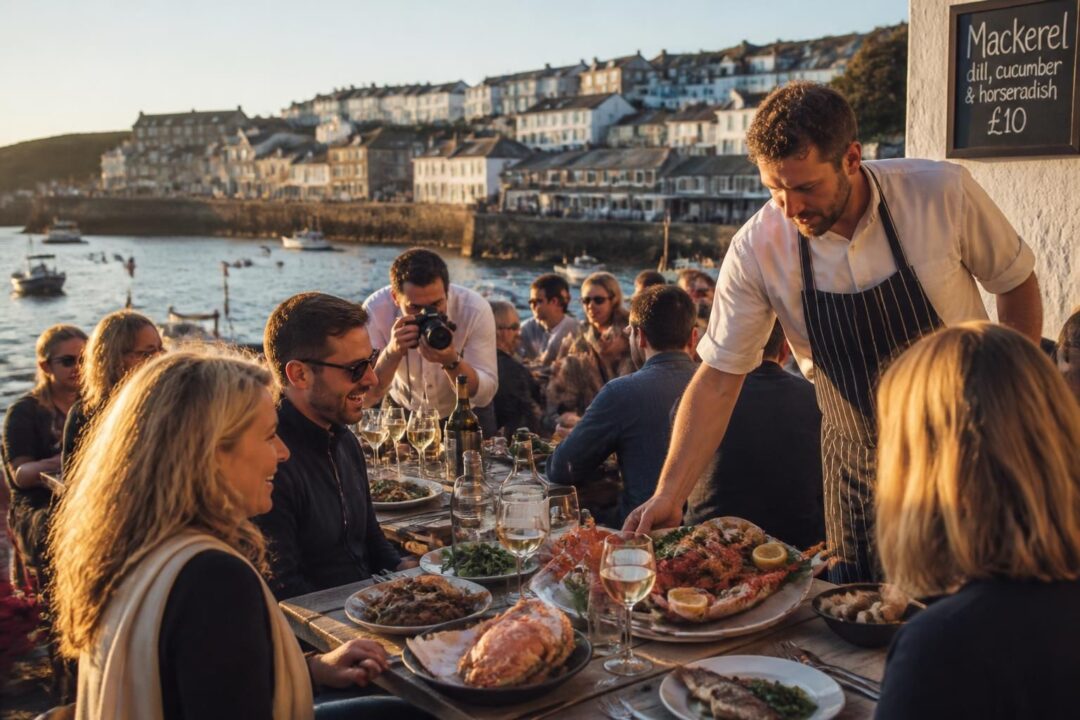
Moreover, a beach café like Porthmeor’s bridges breakfast into dinner. Glass walls, sea views, and small plates become a familiar press image. Yet the stronger pieces explain why that model works: flexible menus, efficient service, and a setting that rewards lingering.
For self-catering visitors, delis matter as much as sit-down rooms. The Cornish Deli, for instance, suits readers who want local cheese, strong coffee, and takeaway sandwiches. That small detail, therefore, expands ‘Dining’ beyond Restaurants and into daily eating habits.
International flavours and dietary realities
St Ives also supports Mexican, Italian, and Indian options, plus specialist wine and coffee shops. This mix rarely threatens local identity. Instead, it reflects a tourist town that must feed many preferences quickly.
Importantly, modern food writing increasingly addresses dietary access. Vegetarian cafés and lighter menus help families and older visitors alike. Furthermore, clear allergen information often decides where people return.
| Eating style | Typical St Ives setting | What the Local Food Press tends to highlight | Practical cue for you |
|---|---|---|---|
| Beach café dining | Porthmeor-facing terraces | Views, flexible small plates, cocktails at dusk | Arrive early on sunny days, or book if possible |
| Harbour pub meal | Harbourfront and Fore Street pubs | All-day menus, local ales, family friendliness | Choose off-peak times for quieter tables |
| Deli-led grazing | Chapel Street-style delis | Local produce, picnic-ready options | Ideal for self-catering fridges and beach picnics |
| Classic takeaway | Fish and chip shops, pasty counters | Speed, tradition, portability | Plan around gulls and find a sheltered spot |
St Ives dining works best when variety stays grounded in local supply and local habits.
Beer, cider, and coastal spirits: drinking culture as part of Cornwall gastronomy
How local brewing became part of the dining narrative
Drink coverage in Cornwall used to sit in the margins of restaurant reviews. However, St Ives helped change that because pubs and breweries offer strong stories. St Ives Brewery began in 2010 and grew into a recognisable local name, with beers that nod to landmarks and history.
Consequently, the press often treats a pint as a way to taste place. A taproom with sea views becomes a simple but persuasive image. Moreover, pairing beer with seafood gives writers an easy route into Gastronomy without sounding precious.
You can see this in how articles describe a meal progression. A coastal walk ends at a pub. Then a local ale becomes a ‘reward’ that also supports local business.
Cider, vineyards, and the wider west Cornwall larder
Cider has also gained column inches, particularly when it comes from Cornish-grown apples and small-batch pressing. St Ives Cider, run by a small team outside town, fits the narrative of craft without fuss. Therefore, it often appears in bottle lists and shop recommendations.
In addition, nearby producers widen the frame. Polgoon Vineyard and Orchard near Penzance offers tours and tastings, which suits readers building day trips around food. Likewise, coastal gin makers such as Curio Spirits gain mentions because botanicals like rock samphire signal shoreline flavour.
These references matter because they show St Ives as a hub rather than an island. A restaurant wine list can tell a west Cornwall story as clearly as a fish special does.
Pubs as community spaces, not just visitor stops
Many articles now stress that pubs in St Ives serve locals as well as holidaymakers. That point can sound obvious, yet it changes how you read a menu. A place that needs winter trade tends to avoid gimmicks.
Moreover, live music at venues such as The Union Inn appears regularly in coverage, because it ties drinking to atmosphere. Meanwhile, RNLI links at harbour pubs underline that maritime life still shapes the town’s identity.
As a result, drink writing becomes a window into community resilience: how businesses handle seasonal peaks and quiet months. That theme leads naturally into how travel logistics shape what, where, and when people eat.
In St Ives, a glass often carries as much local meaning as a plate.
To see how local breweries talk about place and pairing, search for tasting notes and taproom footage from west Cornwall.
Access, seasonality, and the ethics of eating well: what the press now expects from St Ives
Transport shapes dining choices more than most guides admit
In St Ives, getting to food can be as decisive as choosing it. The road in from the A30 bottlenecks in summer, so many visitors use the long-stay car park at Trenwith and walk or take a shuttle. Therefore, guides increasingly recommend eating plans that match your arrival.
Rail travel also changes the pattern. The St Ives Bay Line from St Erth drops you near Porthminster, which makes beach breakfasts and harbour lunches easy. Consequently, some press pieces build ‘car-free’ dining days, linking cafés, galleries, and evening tables without parking stress.
That detail is not trivial. A crowded town rewards good logistics, and the best writers treat that as part of Dining advice rather than a footnote.
Footfall, staffing, and what ‘local’ can realistically mean
Modern reporting also addresses capacity. In peak season, kitchens face pressure from sudden surges, tight delivery windows, and staff housing challenges. However, good operators adapt through shorter menus, smart prep, and clear service boundaries.
Moreover, the meaning of ‘local’ has become more precise. Seafood may arrive from nearby waters, while veg might come from a Cornish farm rather than a single parish. Therefore, writers now praise honesty over vague claims.
Farm shops and community growers enter the story here. Produce boxes, eggs, and dairy from west Cornwall suppliers help self-caterers eat well without chasing restaurant tables. That, in turn, spreads demand across the local economy.
Environmental moves and the coastal responsibility narrative
Because St Ives sits so close to the water, environmental reporting lands with extra force. Plastic reduction campaigns, reusable cups, and beach clean-ups appear in local coverage, particularly when cafés make changes that customers can see.
In addition, boat trips to Seal Island remind visitors that wildlife shares the bay. Articles sometimes cite the UK’s large grey seal population to underline why litter and discarded line matter. As a result, Food Stories broaden into behaviour stories: how you eat, where you dispose of waste, and what you carry back from the beach.
To understand how visitor flows affect coastal towns, it helps to watch travel reporting that combines transport, food stops, and crowd management.
St Ives now features in the Local Food Press as a test of whether Cornwall can feed visitors well while protecting what draws them in.
How has Local Food Press coverage of St Ives changed in the last decade?
It has shifted from simple ‘best of’ lists towards more place-based reporting. Recent pieces focus on provenance, seasonality, staffing pressure, and how cafés, delis, and pubs support everyday eating alongside headline restaurants.
What kinds of food experiences define St Ives dining beyond restaurants?
Beach cafés, pasty counters, fish and chip shops, bakeries, delis, and ice-cream parlours shape the daily rhythm. Many visitors mix takeaway lunches with one or two booked dinners, especially during busy summer weeks.
Why do writers link St Ives food stories to transport and parking?
Because access affects where and when you eat. Summer traffic and limited central parking make rail travel, shuttles from long-stay car parks, and walkable routes central to a realistic dining plan.
Is St Ives mainly about seafood, or is the local cuisine broader now?
Seafood still anchors local cuisine, yet coverage increasingly highlights variety. Vegetarian options, international cooking, coffee culture, and local produce platters now sit alongside traditional fish-led menus.
Where do local drinks fit into Cornwall gastronomy in St Ives?
Pubs and taprooms feature heavily in modern coverage. Local brewing, small-batch cider, and coastal spirits often appear as pairings for seafood and as part of wider west Cornwall tasting itineraries.

Independent food and travel writer with a passion for uncovering Cornwall’s hidden culinary gems and scenic adventures. Combining local knowledge with a love for storytelling to bring Cornwall’s unique flavors and experiences to life.