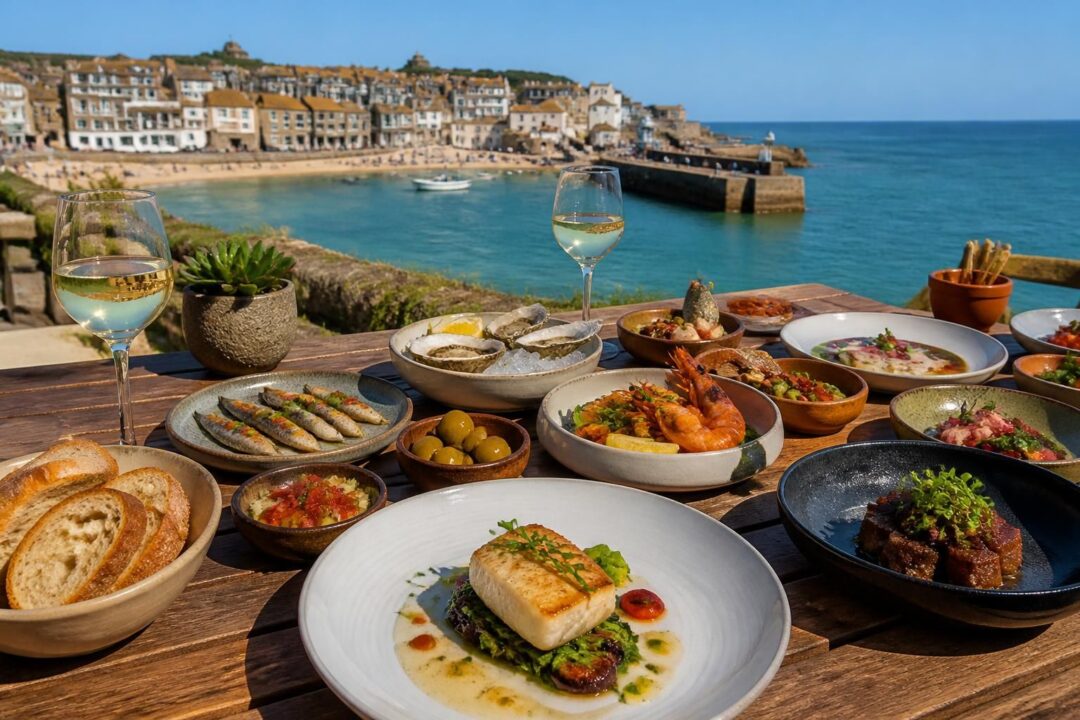
St Ives has always sold itself on light: the glassy Atlantic glare, the whitewashed lanes, the quick shimmer of boats turning in the harbour mouth. Yet the town’s most telling colour in 2026 may be the green of Seagrass, the eelgrass meadows that steady sands, shelter juvenile fish, and quietly shape what ends up on a plate. Harbourside Dining now sits at the junction of ecology and pleasure, where an Ocean View comes with questions about sourcing, seasonality, and the pressure of peak weeks. Consequently, the best Coastal Restaurants do more than ‘serve seafood’—they interpret a living shoreline.
At the water’s edge, a meal can track the day like a tide table: brunch above the harbour, a late-afternoon oyster hour, then a charcoal-grilled supper in the back streets. However, the most satisfying Dining Experience tends to come from places that balance buzz with craft: thoughtful wine lists, small plates that travel well from kitchen to terrace, and staff who can talk you through mackerel one minute and vermouth the next. This guide maps what to know before you book, queue, or wander, so you can match appetite to coastline and Local Cuisine to your own rhythm.
- Seagrass habitats influence local fisheries, so seasonality matters more than menu hype.
- Harbourside Dining in St Ives spans brunch with harbour views, oyster-led evenings, and grill-focused date-night rooms.
- Ocean View seats reward timing: arrive early, book smart, and plan around light, wind, and tide.
- Local Cuisine now leans on small plates, natural wines, and spice-forward seafood, not just ‘fish and chips’.
- Tourist Attractions sit close to key dining streets, so combining galleries, beaches, and tables reduces stress.
Seagrass, St Ives, and why the harbour’s ecology shapes what you eat
How Seagrass meadows support Seafood Dining in St Ives Bay
Seagrass works like a nursery, which means it supports the early life of many species that later fuel Seafood Dining. Moreover, it stabilises sediment, so clearer water often follows, and that clarity helps seagrass expand in a virtuous loop. In St Ives Bay, those links matter because the harbour economy still relies on the sea, even when the town’s postcard image leans toward art and beaches.
That ecological backdrop changes how you should read a menu. For instance, a run of local mackerel, sardines, or shellfish often reflects short supply chains and quick landings. However, when weather shuts the boats out, good kitchens switch tactics fast, moving toward cured fish, vegetable-led plates, or preserved shellfish. Therefore, flexibility becomes a mark of quality rather than a lack of ambition.
What ‘Local Cuisine’ means when the coast is busy
Local Cuisine in 2026 does not mean a single historic dish. Instead, it often means ingredients with traceable stories: day-boat fish, Cornish greens, small dairy producers, and wines chosen with food in mind. Likewise, many St Ives kitchens now treat spice as a tool, not a gimmick, because it lifts oily fish, balances sweet crab, and keeps plates lively when the town fills with holidaymakers.
Consider a simple crab toastie as a case study. When a kitchen adds a punchy chilli sauce, sharp pickles, and melted cheese, it turns a familiar harbour ingredient into something that feels urban yet rooted in the bay. As a result, St Ives avoids the trap of trading only in nostalgia, even though it still respects the classics.
A practical lens: ask these questions before booking
Many diners chase an Ocean View first and ask about sourcing later. Nevertheless, the strongest Coastal Restaurants tend to welcome curiosity, so a few quick questions can improve your meal. Does the menu change daily? Do staff name the fish, not just ‘catch of the day’? Can they explain where the shellfish comes from? Those answers often tell you more than décor.
To keep the idea concrete, imagine a couple planning a weekend around a harbour walk, a gallery visit, and dinner. If the restaurant explains that line-caught fish depends on sea conditions, that couple can plan a back-up dish and avoid disappointment. Consequently, the experience feels collaborative rather than transactional, and the coastline remains the star.
Harbourside Dining in St Ives: the essential neighbourhood map for 2026
Downalong and the harbour edge: small plates, sunset stools, and walk-ins
The harbour edge rewards spontaneity, although it also punishes late arrivals. In the Downalong area, casual rooms with sharing plates suit a drop-in lunch, and they also work well for a pre-sunset drink. Furthermore, the best spots treat cocktails with the same care as the kitchen, which matters when you want a low-key evening that still feels special.
A typical pattern goes like this: you arrive after a beach swim, you grab an outside seat, and you watch the boats bob while the light softens. Then, you order a flatbread with anchovies and crisp capers, followed by pork belly with a bright, sharp sauce. Consequently, the meal feels paced by the harbour itself, not by formal courses.
Fore Street and the back lanes: grills, wine bars, and date-night energy
Just behind the waterfront, St Ives tightens into lanes where the wind drops and the mood shifts. Here, Mediterranean-leaning grills and smart wine bars offer a different kind of Harbourside Dining: less about sand and more about fire, glass, and conversation. Moreover, charcoal cooking brings a savoury depth that suits steaks, monkfish skewers, and pork chops, so the menu can satisfy mixed groups.
For a visitor, that variety matters. If one person wants seafood and another wants meat, a Josper-style grill menu bridges the gap. Likewise, European wine lists that offer plenty by the glass let you explore without committing to a bottle. Therefore, the back streets often deliver the most reliable ‘everyone’s happy’ booking.
Beachfront addresses: when Ocean View becomes the point
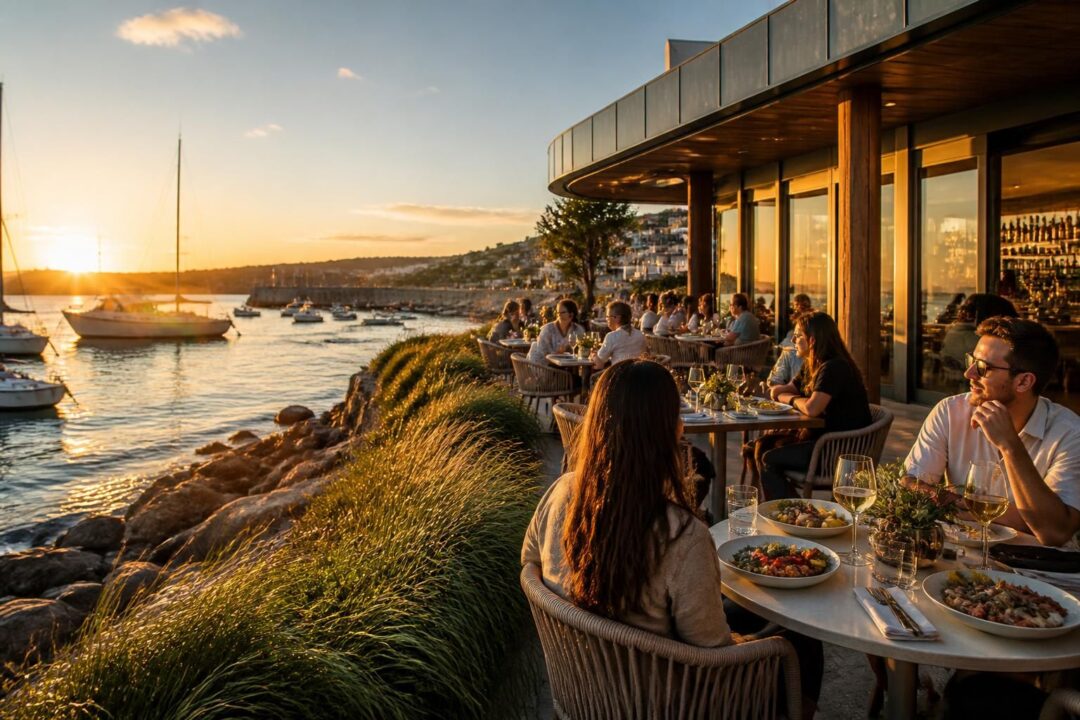
Some addresses place you directly above the sand, so the Ocean View becomes part of the meal. Porthmeor-facing dining, for example, works across weather because terraces, dining rooms, and sheltered pods create options. In addition, dog-friendly areas remove a common holiday friction point, which can rescue a day that might otherwise turn into logistics.
The food often leans vibrant rather than heavy: spiced vegetables, mackerel with bold accompaniments, and spritzes that nod to local vermouth. Even though the view tempts you to linger, a smart plan helps: book around sunset, arrive early for the best tables, and leave space for a post-dinner walk on the promenade. As a result, scenery and flavour line up rather than compete.
Use a short harbour walk video to judge light, wind, and crowd levels before picking a time slot. Consequently, you can align your Dining Experience with the conditions you actually enjoy.
Where to eat and drink: standout Coastal Restaurants, cafés, and bars to know
Brine: inventive brunch, then oysters and natural wine later
Brunch in St Ives can feel like a sport, because prime window seats disappear quickly. However, Brine earns the effort with playful dishes that keep one foot in Cornwall and the other in broader flavours. Beans with flatbread, pickles, and slow-cooked tomato feels both comforting and bright, while a crab toastie with chilli heat makes sense by the sea.
Later, the room shifts into an evening spot built around oysters and small plates. Moreover, a happy hour can turn a splurge into an easy ritual, especially when you want a light supper after the beach. The key is timing: arrive in the late afternoon, take a glass of low-intervention wine, and let the harbour calm down around you. Therefore, the place suits both planners and wanderers.
Ardor: Mediterranean grilling that still respects local landings
Ardor’s appeal lies in heat and restraint. The grill does the heavy lifting, so fish, meat, and vegetables keep their character. For instance, sardines with chorizo and piperade feel sunshine-driven, yet they also fit a Cornish coast that thrives on oily fish. Consequently, the kitchen can serve a lively dinner without resorting to fussy techniques.
Equally important, the wine list stays focused, which helps you choose quickly. In a town where tables turn fast in peak weeks, that clarity matters. Moreover, the room feels polished without being stiff, so it works for a celebratory meal as well as a relaxed group night.
Silco Bar & Kitchen: harbour-hugging plates and serious cocktails
Silco suits people who like to graze. The menu leans into sharing plates with global touches, and the setting keeps the harbour in view. Therefore, it works as a bridge between Tourist Attractions and dinner, since you can drop in between a gallery visit and an evening wander.
Order patterns tend to start with something bready, then shift to a richer plate. A flatbread with anchovies and capers delivers salty crunch, while pork belly with a bright dressing stops the richness from cloying. Furthermore, pre-mixed house cocktails to take away fit the modern holiday mood, where you might want a drink back at your flat while the tide turns outside.
Porthmeor Beach Café: a classic Ocean View address with spice-forward confidence
Porthmeor-facing dining carries a particular thrill, because you feel as if the room floats above the beach. Yet the food holds its own. Spiced vegetable plates and mackerel with bold sides bring colour to the table, and they also match the salt and wind outside. Consequently, this is not just a ‘view stop’; it can be the main event.
If you want a simple plan, aim for late afternoon: a spritz, a few plates, and then sunset. In addition, the variety of seating areas helps when the weather turns quickly, as it often does on the Atlantic edge.
The Gurnard’s Head: the worth-it detour for a pub meal with range
The Gurnard’s Head sits outside town, so it requires a car, taxi, or bus. Nevertheless, it often tops West Cornwall recommendations because it delivers pub warmth with restaurant-level care. A coastal path walk nearby turns lunch into a day out, which matters when you want a break from St Ives crowds.
The cooking leans seasonal and fish-led, with plates that might pair plaice with mussels, capers, and seaweed. In addition, an all-day bar menu covers the basics without feeling basic, and local brewery pints keep things grounded. Consequently, it becomes a useful ‘anchor booking’ for a multi-day trip.
JOHNS and St Eia: bottles, bar stools, and a more intimate pace
Not every memorable meal arrives on a plate. JOHNS works as a bottle shop and compact bar, which means you can browse, then drink what you pick. Moreover, local beer on tap and a well-made martini offer a change of tempo from seafood-heavy itineraries.
St Eia, meanwhile, leans into wine bar chic with rare, low-intervention bottles and a short bistro-style menu. However, the real value lies in guidance: the team can steer you towards a glass that fits your food, your mood, and your budget. Therefore, these addresses suit travellers who want flavour without a long sitting.
| Place | Best for | Signature feel | Practical tip |
|---|---|---|---|
| Brine | Brunch and oysters | Harbour-facing café by day, cosy small plates by night | Arrive early for window seats; target late-afternoon oyster deals |
| Ardor | Charcoal grilling | Smart, central room with Mediterranean cues | Choose wines by the glass to match mixed plates |
| Silco Bar & Kitchen | Sharing plates and cocktails | Downalong harbour energy, easygoing service | Go near sunset for atmosphere; consider take-away cocktails |
| Porthmeor Beach Café | Ocean View dining | Directly above the sand, spice-forward menu | Book around golden hour; pick sheltered seating if windy |
| The Gurnard’s Head | Destination pub meal | Coastal-path backdrop, seasonal fish cookery | Pair with a walk; plan transport back to St Ives |
| JOHNS | Unique bottles and a quick drink | Bottle shop meets tiny bar | Browse first, then drink-in for flexibility |
| St Eia | Wine bar intimacy | Low-intervention wines with bistro snacks | Ask staff for pairing help; consider a bottle to go |
Planning a 2026 Dining Experience: bookings, timing, access, and smart combinations
Build your day around tide, light, and Tourist Attractions
In St Ives, food planning works best when it matches how you move through town. Therefore, pair breakfasts or brunches with harbour loops, then keep heavier dinners for inland streets where wind matters less. Tourist Attractions like the Tate and beach time at Porthmeor can slot neatly between meals, provided you give yourself buffers for queues and weather shifts.
A simple template helps: morning gallery, lunchtime small plates, then a beach walk before dinner. Moreover, this rhythm avoids the common mistake of stacking two long sittings back-to-back. As a result, you keep appetite and attention intact, which is the difference between ‘ate well’ and ‘felt the place’.
Booking strategies that actually work in peak weeks
Book ahead for prime Ocean View tables, because the best ones go first. However, keep at least one flexible option for walk-ins, especially if the sea turns rough and menus pivot. Midweek often feels calmer, and earlier sittings can deliver better service and more choice. Consequently, you trade late-night drama for a smoother experience.
If you want to chase a specific dish, call earlier in the day and ask what has landed. That small act respects the reality of fishing, and it also improves your odds of getting what you want. In addition, if a restaurant offers wines by the glass, it becomes easier to tailor a meal without over-ordering.
Accessibility, dogs, and group dynamics
St Ives has steep bits, narrow pavements, and sudden steps. Therefore, if mobility matters, choose venues with clear access info and avoid rushing between far-flung tables. Beach cafés often provide easier flow, while back-lane rooms can be tighter. Moreover, dog-friendly areas reduce stress for travellers who treat pets as family, which many do.
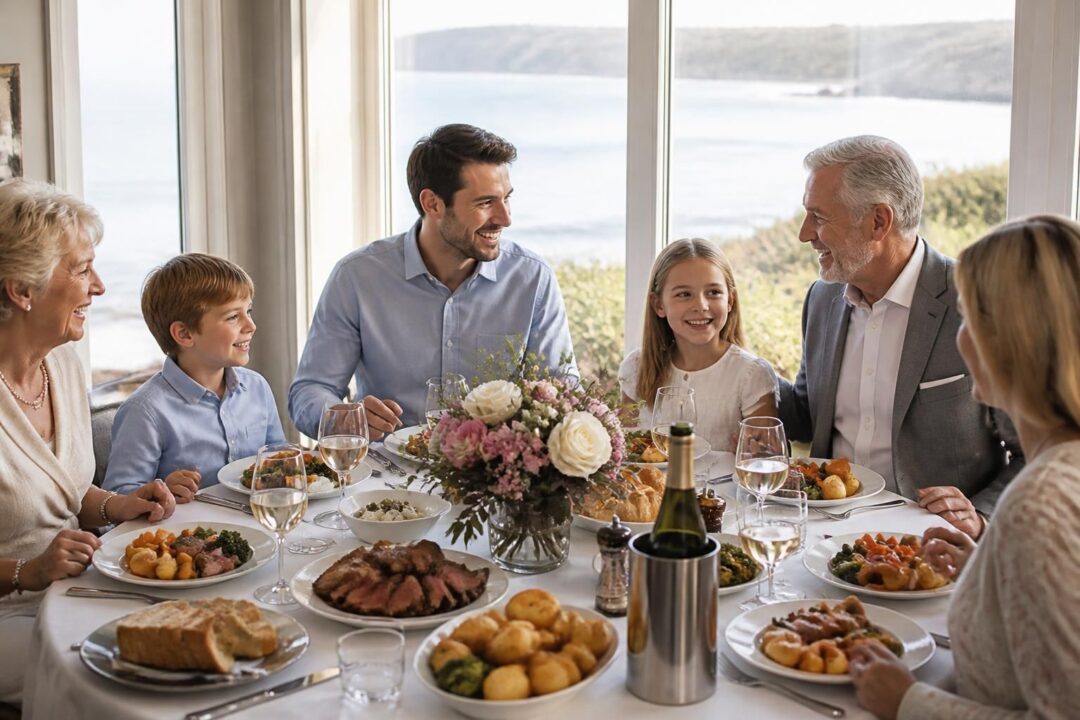
Group dining benefits from sharing plates and concise menus. When everyone orders together, the kitchen can pace dishes, and conversation stays central. Likewise, a cocktail-focused bar can function as a meeting point, then the group can split if preferences diverge. Consequently, the harbour stays a shared backdrop rather than a logistical hurdle.
Watching a short explainer on seagrass restoration adds context to Seafood Dining choices. Consequently, ordering local species can feel like participation in a living coastline, not a detached treat.
Eating with the coastline in mind: responsible choices without losing pleasure
Choose species and styles that support resilient local fisheries
Responsible eating in St Ives does not require joyless rules. Instead, it rewards curiosity and openness. For instance, choosing mackerel, sardines, or shellfish can align with local availability, while also delivering bold flavour. Moreover, smaller plates make it easier to try a wider spread without chasing a single prized fillet.
Ask how a fish is caught when it seems relevant. Line-caught and day-boat language often signals shorter supply chains, although the real test is staff clarity. However, do not overlook vegetables and grains, because modern Local Cuisine often shines when the kitchen treats plants with the same care as seafood. Consequently, a spice-led vegetable dish can become the surprise highlight of a seaside trip.
Wine, cocktails, and the new harbourside mood
St Ives drinking culture now leans toward purpose: natural wines with food, spritzes that suit sun, and well-structured cocktails that hold up against salty air. Therefore, you can build an evening around a bar as easily as a restaurant. Bottle shops with bar corners add another layer, since you can take something back for later and keep the night flexible.
In practice, this means you might start with a crisp white by the glass, move to oysters, then finish with a martini or a local rum serve. Moreover, that sequence keeps flavours clean and makes the sea feel present rather than masked. As a result, the coastline remains the dominant note, which is exactly why you came.
A short, usable checklist for your next harbourside meal
- Pick one Ocean View meal and one inland booking, so weather cannot derail the whole plan.
- When menus change daily, ask what has landed, then choose accordingly.
- Use sharing plates to cover seafood and non-seafood preferences in a group.
- Schedule a buffer around major Tourist Attractions, because queues and weather shift quickly.
- Support bottle shops and wine bars for a lower-key Dining Experience between big meals.
St Ives rewards diners who treat the harbour as both scenery and source. Consequently, the most memorable meals arrive when pleasure and place pull in the same direction.
Do you need to book harbourside restaurants in St Ives in advance?
For prime Ocean View tables and popular dinner services, booking helps, especially in school holiday weeks. However, the town still rewards walk-ins at small-plate bars and bottle-shop style venues, so keeping one flexible slot often improves the overall trip.
What does ‘Seagrass’ have to do with Harbourside Dining?
Seagrass meadows support coastal biodiversity and act as nurseries for marine life. Consequently, they influence local food webs and, by extension, the availability of certain species that appear in Seafood Dining menus around St Ives Bay.
Which areas are best for a varied dining scene: harbour edge or back streets?
The harbour edge suits sunset drinks, sharing plates, and the classic Coastal Restaurants feel. Meanwhile, back-street rooms often deliver calmer settings, charcoal grilling, and wine-bar intimacy. Therefore, combining both areas usually creates the strongest Dining Experience.
How can you combine Tourist Attractions with meals without rushing?
Plan a simple rhythm: one major attraction in the morning, a casual lunch nearby, then a coastal walk before dinner. Moreover, booking either an early or slightly later dinner avoids queue-heavy pinch points around galleries and beaches.
What should you order if local catches change due to weather?
Choose flexible options: small plates, shellfish when available, and spice-forward vegetable dishes that kitchens can execute consistently. In addition, ask staff what has arrived that day, because the best venues adapt menus quickly rather than forcing the same fish every service.

Independent food and travel writer with a passion for uncovering Cornwall’s hidden culinary gems and scenic adventures. Combining local knowledge with a love for storytelling to bring Cornwall’s unique flavors and experiences to life.